

Treadmills That Incline
All fitness levels appreciate the possibility of treadmills that are inclined. They provide an even more intense workout, without causing as much damage to joints as running or jogging.
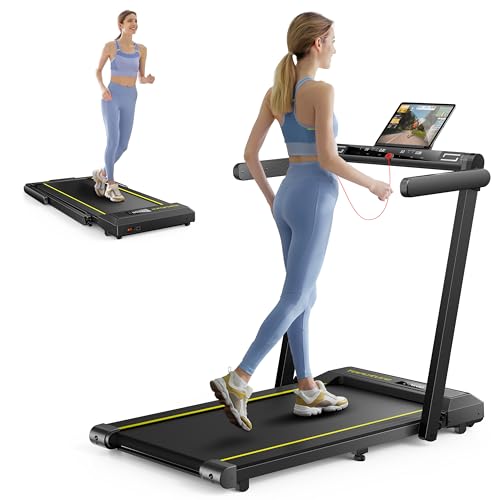
Running or walking on an angle mimics the feeling of climbing up a hill. This increases calorie burning and helps to engage more muscles.
Increased Calories Boiled
The addition of a treadmill incline is an effective way to increase the amount of calories you burn during your workout. The reason behind this is that a treadmill incline simulates walking uphill or running. This requires more effort, and also engages various muscle groups in the legs and core.
Most people are unaware that walking uphill will burn more calories than walking on a flat surface. According to a study published in a journal, "Gait & Posture," walking on an inclined slope (such as 1 or 2%) can burn 35 percent more calories.
It's a good option for people who want to be healthier or who are new to exercise. The treadmill is easy to use on joints. You can enjoy a great cardio workout by beginning by warming up and gradually increasing the incline to a comfortable level.
You can also use treadmills that have an incline for interval workouts to challenge your body and burn calories, depending on the goals and fitness levels you've got. The general rule of thumb is to begin with a 5-minute warm-up at a relaxed pace, without incline. Then, increase the incline to a quick walk with an RPE of 3-4. This exercise should be tough, but still manageable.
Maintain your RPE at 4 to 5 and increase the incline by 5 to 6 percent. This higher incline is likely to result in more calories being burned and aid you in reaching your weight loss goals if are trying to lose weight. Keep hydrated and track your heart rate to make sure you're not pushing yourself too hard. Many treadmills have built-in fitness apps that can help you track your results, and the heart rate monitor will help you determine the level of performance you're achieving. However, it's important to note that the calorie-burning numbers you see on your fitness tracker or treadmill are not always accurate. The most effective method to lose weight is through eating a balanced diet and regular exercise coupled with a balanced lifestyle and adequate rest and recovery.
Increased Aerobic Fitness
Incorporating an incline treadmill into your workout routine can elevate the level of aerobic physical activity. As a result, it can improve overall health and well-being. The amount of incline required to boost aerobic fitness levels will depend on the individual's level of fitness and goals for their workout. As a trainer, you can assist clients in determining the appropriate incline level for their workouts by starting off with a lower incline (such as zero) and gradually increasing it.
Incline treadmills are especially effective when used for interval training, which involves the alternation of a low-intensity and a vigorous workout. This kind of exercise increases heart rate and burns calories, as well as helping to build endurance.
Include an incline treadmill in your workout routine to lessen stress and improve your mental well-being. It can also improve self-esteem, which leads to better performance at home and work. A treadmill with an incline feature can be a great alternative to running suffering from knee discomfort or other joint problems. A recent study published in the "Journal of Sports Medicine", found that walking on an incline on a treadmill burnt nearly the same amount of calories as running, but was less stressful for joints.
The core can be strengthened by jogging or walking at an uphill speed on a treadmill. This is beneficial for posture and balance. This type of core exercise is beneficial for people who suffer from lower back pain, which is a large part of the American population.
It's not just good for fitness, but also enjoyable to incorporate incline treadmills into your exercise routine. It can keep clients motivated and increase their likelihood to stick with their workouts in the in the long run. To avoid boredom and challenge the body, it's ideal to vary your workout routine. This can be achieved by adding handweights or varying the speed, for instance.
Strengthens Muscles
Treadmills with an inclined slope can help to strengthen the muscles in your legs, hips and knees. The incline mimics running uphill, and forces the body to work harder to overcome gravity. This builds muscle strength. This exercise also tones the legs and burns more calories.
Running at an incline can aid in strengthening the posterior chain which is the set of muscles that form the back of the body, says trainer and strength coach Reda Elmardi. A strong posterior chain can help improve athletic performance, reduce the risk of injury and aid in maintaining a proper posture. These muscles can be strengthened by walking uphill.
The incline treadmills boost the intensity without increasing the speed, which makes it easier to maintain a regular workout routine. For beginners it is recommended that you start with a lower incline of 3-5% after an adequate warm-up. Pay attention to your body. Do not use the incline function before you are ready.
For a steeper gradient, try running up to 12% if you are a seasoned athlete. Running at a higher elevation will strengthen the muscles of the glutes and leg, improve cardiovascular health, and help to lose weight.
If you're looking for a treadmill with an incline, check out our list of the top treadmills that have incline functions. They're all currently on sale and have various features that will aid in improving your fitness.
While burning calories could be the primary reason for a lot of people who use treadmills, the additional benefits of using an incline can make your workout more effective and enjoyable. If you're a beginner, it is important to start with a lower slope and then gradually increase it as your body adjusts. Try incorporating Squats and incline lunges to your workout to give yourself an additional effort. You can also incorporate a few incline jumping and side skips to build leg strength.
Reduced risk of injury
Using a treadmill that incline lets you do exercises similar to hiking without the danger of falling. The leading cause of injuries from fitness equipment is falling, particularly for runners. Treadmills with an inclined slope can reduce the force on joints, helping you avoid injury and keep good form.
Incorporating treadmill intervals of incline into your running and walking routine can help you increase your energy levels and boost your fitness more quickly. But, it is important to start your incline intervals with an initial warm-up on flat ground to allow your muscles to adjust and reduce the risk of injury.
Treadmills with an incline feature permit you to alter the intensity of your exercise and you can also use pre-programmed incline interval routines to get started. One popular interval training routine is 1:3, in which you run for a minute or power walk and then rest for another three minutes. As your endurance increases, you can increase the ratio to 1:1 or 1:2 or work for shorter, more intense periods with longer rest times.
Running on a treadmill with an incline helps to strengthen the muscles in your legs, assisting you build strength and decrease the chance of shin splints as well as other foot issues that plague runners. Additionally, using a treadmill with an incline will help improve your posture. This is important in order to reduce neck and back pain.
If you're just beginning to learn about running, it's recommended that you start with a 0 percent incline in order to avoid injury and allow your body to adjust. Over time, you may decide to increase the incline of your treadmill to increase your fitness.
In contrast to outdoor runs the treadmill offers a more consistent surface and eliminates the danger of potholes and uneven terrain that can cause shin splints or knee injuries. A treadmill could be dangerous when used improperly or in excess.
Exercising on a treadmill for long durations of time can result in you becoming dependent on the machine, and could hinder your muscles from becoming stronger, as they would in a natural environment. If you're inclined to hunching forward, or holding your handrails in the course of exercising, this could cause discomfort in your neck and lower back muscles.